
Trending articles

Ultimate Guide to Comfort and Travel Tips for Mini Camper Vans
Mini camper vans offer a unique way to travel, combining comfort, style, and practicality. This guide will provide tips on optimizing space, choosing fuel-efficient models, and getting the most from your mini camper van adventures. Maximizing Comfort in Mini Camper Vans Mini camper vans are ingeniously designed to provide a cozy experience without sacrificing essential functionality. Key to this balance is the layout, which often incorporates multi-functional furniture like convertible beds and tables that fold away to maximize space. Storage solutions are equally critical, with designs that utilize vertical space and hidden compartments to keep belongings organized and out of sight. Thoughtful choices in materials, such as soft fabrics and warm lighting, can also enhance the feeling of comfort, making the compact space feel more like a home on wheels. Fuel Considerations: Saving on the Road Selecting a mini camper van with excellent fuel efficiency is crucial for keeping travel costs down. When comparing different models, pay close attention to the MPG (miles per gallon) ratings provided by manufacturers, but also consider real-world performance data from owner reviews. Factors like the van’s weight, engine type, and aerodynamics can significantly affect fuel consumption. Opting for a model with good fuel economy not only saves money but also reduces your environmental impact, making your adventures more sustainable. Smart Travel Planning for Mini Vans Effective travel planning is essential for mini camper van adventures. Start by mapping out your route, identifying points of interest, and locating suitable camping spots along the way. Utilize online resources and apps like Campendium or AllStays, which provide information on campgrounds, free camping areas, and amenities. Navigation apps like Google Maps or Waze can help you avoid traffic and find the most efficient routes. Always check road conditions and weather forecasts before you go, and be prepared to adjust your plans as needed. Efficient Storage and Packing Organizing and packing efficiently is vital when traveling in a small camper van. Begin by making a list of essential items and prioritizing what you truly need. Use packing cubes and compression bags to maximize space and keep your belongings organized. Store frequently used items in easily accessible locations, such as overhead compartments or under-seat storage. Minimize clutter by regularly decluttering and disposing of trash. Consider investing in multi-functional items, such as a combination cooking pot and bowl, to reduce the number of items you need to pack. Making Every Trip Enjoyable Enhancing the comfort of your mini camper van can significantly improve your travel experience. Proper ventilation is essential to prevent condensation and maintain fresh air inside the van. Consider installing a roof vent or using portable fans. Adequate lighting, such as LED strip lights or battery-powered lanterns, can create a cozy atmosphere. Invest in comfortable bedding, such as a memory foam mattress topper or a quality sleeping bag, to ensure a good night’s sleep. Adding personal touches, like curtains or decorative pillows, can also make the space feel more inviting. Must-Have Accessories for Mini Camper Vans Several essential accessories and upgrades can improve the convenience and safety of your mini camper van travels. A portable power station provides a reliable source of electricity for charging devices and running appliances. A propane stove or portable grill allows for easy meal preparation. Consider adding a rearview camera for enhanced safety while driving and parking. Exterior enhancements, such as an awning or roof rack, can expand your living space and provide additional storage options. Don’t forget essential safety items like a first-aid kit, fire extinguisher, and carbon monoxide detector.

Elegant Church Dress Choices for Every Occasion
Choosing the right church dress combines elegance, comfort, and respect for the occasion. This guide explores options for women looking for the perfect outfit for church events, highlighting key considerations like color, fit, and fabric to ensure both style and appropriateness. Elegance and Respect: Dressing for Church Selecting dresses that are both elegant and respectful for church settings involves balancing traditional expectations with personal style. It’s about choosing attire that honors the sacredness of the space while allowing you to express your individuality. Consider styles that are modest yet fashionable, ensuring that your outfit reflects reverence and personal taste harmoniously. Opt for dresses that make you feel confident and comfortable, enhancing your spiritual experience without causing distraction. Choosing the Right Colors Different colors can convey various moods and levels of formality, making color choice a significant aspect of selecting church attire. Lighter colors like pastels and creams often suggest a sense of peace and are suitable for daytime services, while deeper hues such as navy, burgundy, or forest green can project sophistication and respect, fitting for evening or more formal occasions. Consider the church’s atmosphere and the season when choosing your dress color to ensure it complements the setting appropriately. Fit Matters: Finding Comfort and Style The fit of a dress significantly affects both comfort and appropriateness in a church setting. Recommended silhouettes include A-line, sheath, or empire waist dresses that offer a balance of style and modesty. Length is also crucial; dresses should ideally be knee-length or longer to maintain decorum. Ensure the dress allows for ease of movement and doesn’t feel restrictive, enabling you to participate comfortably in services and activities. Choosing the right fit ensures you look polished while feeling at ease. Selecting Comfortable and Elegant Fabrics The best fabrics for church dresses combine comfort, breathability, and a polished appearance. Options like cotton blends, linen, or lightweight wool are excellent choices, providing comfort without sacrificing elegance. Fabrics that drape well and resist wrinkling can help maintain a neat and respectful appearance throughout the service. Consider the season when selecting fabric; lighter materials are ideal for warmer months, while heavier fabrics offer warmth during colder seasons. Prioritize fabrics that not only look good but also feel comfortable against the skin. Accessorizing with Grace Styling church dresses with accessories should enhance the overall look without overshadowing it. Choose shoes that are comfortable and appropriate, such as classic pumps or elegant flats. Jewelry should be simple and understated, like a delicate necklace or stud earrings. Outerwear, such as a cardigan or blazer, can add warmth and sophistication, especially in cooler environments. The key is to select accessories that complement the dress and reflect a sense of reverence and grace. Seasonal Church Dress Options Adapting church dresses to different seasons involves thoughtful layering and material selection. In colder months, consider layering with a stylish coat or cardigan and opting for dresses made from warmer materials like velvet or wool blends. For warmer seasons, choose breathable fabrics like linen or cotton and consider dresses with shorter sleeves or lighter colors. Accessorizing with seasonal scarves or hats can also add a touch of elegance while ensuring comfort and appropriateness throughout the year.

Essential Guide to Maltipoo Puppies: Traits, Care, and Ownership Tips
The Maltipoo, a delightful blend of the Maltese and Poodle, is cherished for its affectionate personality and charming appearance. This comprehensive guide provides essential information on Maltipoo traits, care requirements, and considerations for potential owners. What Makes the Maltipoo Special? Maltipoo puppies are particularly appealing due to their small size, hypoallergenic coats inherited from their Poodle lineage, and affectionate nature passed down from their Maltese heritage. Typically, they weigh between 5 to 15 pounds and stand less than a foot tall, making them ideal for apartment living and smaller homes. Their temperament is generally friendly, playful, and eager to please, which makes them excellent companions for families, seniors, and individuals alike. The combination of intelligence from the Poodle and the gentle nature of the Maltese results in a dog that is both smart and loving. Daily Care and Maintenance Caring for a Maltipoo involves regular grooming to prevent matting, especially given their curly or wavy coat. Daily brushing and professional grooming every few months are recommended. Their diet should consist of high-quality small-breed dog food, with portions carefully managed to avoid obesity. Maltipoos require moderate exercise, such as daily walks and playtime, to stay healthy and happy. Mental stimulation through toys and training activities is also crucial to keep them engaged and prevent boredom. Regular dental care, including teeth brushing, is essential to prevent dental issues common in small breeds. Health Considerations Maltipoos, like all breeds, are prone to certain health issues. Common concerns include progressive retinal atrophy (PRA), patellar luxation, and tracheal collapse. Preventative measures include choosing a reputable breeder who screens their dogs for genetic conditions and maintaining regular veterinary checkups. Early detection and management of health issues are crucial for ensuring a long and healthy life for your Maltipoo. Discuss any health concerns with your veterinarian, who can provide guidance on the best course of action for your pet’s specific needs. Remember, professional veterinary advice is essential for maintaining your Maltipoo’s health. Training and Socialization Training and socialization are vital for Maltipoos to ensure they grow into well-adjusted adults. Start training early with positive reinforcement techniques, such as treats and praise. Housebreaking can be challenging, so consistency and patience are key. Socializing your Maltipoo involves exposing them to various people, places, and sounds from a young age to prevent shyness or fearfulness. Enrolling in obedience classes can provide structured training and socialization opportunities. Positive interactions with other pets and people will help your Maltipoo become a confident and friendly companion. Professional dog trainers can offer valuable guidance tailored to your dog’s needs. Is a Maltipoo Right for You? Assessing whether a Maltipoo fits your lifestyle involves considering several factors. Maltipoos thrive in environments where they receive plenty of attention and companionship, so they may not be suitable for individuals who are away from home for long periods. Their small size makes them adaptable to apartment living, but they still require regular exercise and mental stimulation. Families with older children who understand how to handle small dogs gently are often a good match. Be prepared for the time commitment involved in grooming, training, and providing daily care. If you can meet these needs, a Maltipoo can be a loving and rewarding addition to your life. Bringing Home Your Maltipoo When choosing a Maltipoo puppy, look for reputable breeders who prioritize the health and temperament of their dogs. Ask about the parents’ health history and request to see health clearances. Observe the puppy’s behavior and ensure they appear healthy, alert, and well-socialized. Before bringing your Maltipoo home, prepare your living space by puppy-proofing and gathering essential supplies such as food, bowls, a bed, and toys. Schedule an initial health check with your veterinarian to ensure your puppy is healthy and to discuss vaccinations and preventative care. A well-prepared home and a healthy start are crucial for a smooth transition and a happy life with your new Maltipoo.
Study Fashion Design in South Korea
South Korea has become one of the world’s biggest fashion hotspots—stylish streets, bold designers, and a culture that sets worldwide trends. For students dreaming of a creative and global fashion career, studying Fashion Design in South Korea opens doors that few other places can. Why Choose South Korea for Fashion Design? 1. Global Fashion Capital Cities like Seoul and Busan are full of inspiration—K-fashion, K-pop styling, streetwear trends, and international fashion weeks. You learn directly from an environment that influences global style every day. 2. Top-Ranked Fashion Universities South Korea offers renowned fashion schools known for innovation, technology, and modern design labs. Students get hands-on experience with pattern making, digital fashion, illustration, and runway presentation. 3. Strong Industry Exposure From fashion shows to internships, students get real opportunities to work with Korean designers, luxury brands, and creative studios. This practical experience helps them build a powerful portfolio. 4. Affordable Education & Scholarships Compared to U.S. or European colleges, tuition and living costs are lower. Many universities, especially public ones, offer international scholarships. 5. Safe, Modern & Student-Friendly South Korea is known for its safe cities, excellent public transport, and modern lifestyle—making it perfect for international students. What You Can Study Fashion Designing Fashion Illustration Textile Design Fashion Technology & Digital Design Pattern Making & Garment Construction Luxury Fashion & Brand Management These programs help students develop creativity, technical skills, and industry understanding. Career Opportunities After Studying in South Korea A degree in Fashion Design from South Korea opens doors to careers like: Fashion Designer Stylist Creative Director Fashion Illustrator Textile Designer Fashion Buyer Costume Designer (K-dramas, films, entertainment) Many international students also get opportunities in Korean companies due to the country’s booming global fashion influence. Who Should Apply? Students passionate about fashion Anyone dreaming of an international career Creative individuals who want hands-on and industry-based learning Those interested in K-fashion, K-culture, and design innovation Final Thought Studying Fashion Design in South Korea isn’t just about education—it’s about stepping into a global world where creativity meets culture. If you want to build a standout fashion career, this is your chance.

📋 Learn which SUVs fall short on tech, comfort, fuel efficiency, or reliability in this detailed guide
The SUV segment continues to grow rapidly, but not every model manages to meet today’s expectations. While many newer releases offer impressive upgrades, some still fall behind in areas that matter most to modern buyers. If you're planning to purchase an SUV soon, here are a few categories—and specific models—that might make you think twice. Behind-the-Times Technology Drivers today expect smooth connectivity and quick responses from their in-car tech. Yet some SUVs still feel outdated, with slow infotainment systems, basic displays, or limited smartphone compatibility. Anyone who depends on easy navigation, music streaming, or hands-free features may feel let down by sluggish software or missing functions. Example: The 2025 Nissan Kicks S continues to rely on a simple infotainment unit with no wireless Apple CarPlay or Android Auto, creating a noticeably basic experience compared to most competitors in its price range. These tech gaps also extend to safety. A few base trims skip driver-assistance features that many buyers now consider essential, such as adaptive cruise control or lane-centering technology. Example: The 2025 Jeep Compass Sport still leaves out several modern safety systems that many rivals offer as standard equipment. Lower-Than-Expected Fuel Efficiency Fuel economy remains a top concern for households and daily commuters. However, certain SUVs still consume more fuel than expected. They may provide strong performance, but the higher fuel costs—and increased environmental impact—make them less appealing for cost-conscious drivers. Example: The 2025 Chevrolet Tahoe 5.3L V8 continues to deliver below-average MPG for a full-size SUV, especially when compared to hybrid options or more efficient smaller engines. For anyone who drives frequently, poor fuel efficiency can significantly affect long-term ownership costs. Smaller Cargo Capacity A key advantage of SUVs is their practicality, yet some models don’t offer the interior storage space buyers anticipate. Sleek exteriors and sporty rooflines can limit cargo room, making it harder to carry luggage, baby gear, or outdoor equipment. Example: The 2025 Toyota Corolla Cross has an attractive design, but its cargo space is noticeably limited, particularly when compared to stronger competitors like the Honda CR-V. When daily errands or weekend trips start feeling cramped, an SUV’s convenience quickly loses its shine. Uncomfortable Ride and Cabin Experience Ride quality can greatly influence how enjoyable an SUV feels on a daily basis. Some models focus heavily on rugged styling or off-road ability, sacrificing comfort in the process. Firm suspensions, road noise, and tight seating can make longer journeys tiring. Example: The 2025 Ford Bronco (base) offers excellent off-road capability, but on regular roads it can feel bouncy and loud, especially when compared to smoother, family-oriented SUVs. Interior comfort matters too, and a few models still rely on stiff cushions or minimal seat support. Higher Maintenance and Repair Expenses Car ownership goes far beyond the initial price tag. Certain SUVs require premium parts or specialized servicing, which results in higher maintenance costs over time. Buyers looking for predictable, wallet-friendly ownership may want to proceed carefully. Example: The 2025 Volvo XC90 continues to receive mixed reliability reports, with repair bills and parts prices that are often higher than those of more mainstream competitors.

📋 Learn which SUVs fall short on tech, comfort, fuel efficiency, or reliability in this detailed guide
When shopping for an SUV, most buyers expect a balance of comfort, technology, efficiency, and long-term dependability. Yet not every model on the market delivers on these expectations. Some SUVs look impressive on the surface but fall short once you take a closer look at their daily performance and ownership experience. This guide highlights the most common shortcomings seen in today’s underperforming SUVs—helping you avoid costly mistakes and choose a vehicle that truly fits your needs. 1. Outdated or Limited Technology Modern drivers rely heavily on technology for navigation, connectivity, safety, and convenience. Unfortunately, several SUVs still struggle with outdated infotainment systems, laggy touchscreens, and limited smartphone integration. These shortcomings can be frustrating, especially in an era where user-friendly interfaces and advanced driver-assistance features have become industry standards. When an SUV lacks features such as wireless Apple CarPlay, intuitive menu layouts, or reliable voice controls, the daily driving experience quickly becomes less enjoyable. 2. Comfort That Falls Short on Long Drives Comfort includes more than just soft seats—it’s about ride quality, cabin noise levels, interior space, and ergonomic design. Some SUVs use stiff suspensions that create a bumpy ride, while others rely on cheaper interior materials that wear down quickly. Poor seat support can also lead to discomfort during longer trips. Additionally, tight second-row seating or limited cargo space can make these models impractical for families or road-trip travelers. An SUV that appears stylish at first glance may reveal these shortcomings after a few weeks of use. 3. Disappointing Fuel Efficiency As fuel prices continue to fluctuate, efficiency has become a major factor in SUV buying decisions. Yet many models—especially older or less refined powertrains— deliver below -average miles per gallon. Some SUVs use heavy frames or inefficient engines that burn more fuel than competitors in the same class. Poor fuel economy doesn’t just affect your monthly budget; it also reflects outdated engineering and lack of modern optimization. With more efficient hybrid and turbocharged options available today, buyers should be cautious of SUVs that lag behind in this area. 4. Reliability Concerns and High Ownership Costs Reliability is a long-term measure of an SUV’s overall value. Some models are known for frequent mechanical issues, expensive repairs, or poor long-term durability. Common problems include transmission failures, electrical glitches, and premature wear on key components. A vehicle with appealing features may still become a burden if it requires constant maintenance or suffers from recurring breakdowns. Checking consumer reviews, long-term tests, and maintenance records is essential to avoid models with a track record of reliability complaints. Final Thoughts While the SUV market is more competitive than ever, not every model meets the expectations of today’s drivers. By paying attention to potential weaknesses in technology, comfort, fuel economy, and reliability, you can make a more informed decision and avoid SUVs that may disappoint in the long run. A careful comparison and thorough research will help ensure your next SUV is one that enhances your driving experience rather than holding it back.

Immediate Openings at McDonald’s – Apply Today and Start Your Career Fast!
Looking for a job where you can start almost immediately and gain real-world experience? McDonald’s, a global leader in fast food, is offering immediate openings at locations across the country. Whether you’re a student, someone looking for part-time work, or seeking a full-time role, McDonald’s provides a dynamic, fast-paced environment where you can earn, learn, and grow. Fast Hiring, Quick Start McDonald’s understands that many people need jobs without long delays. That’s why the hiring process is designed to be quick and convenient. Applications can be submitted online via the official McDonald’s careers page, or in person at your local restaurant. Some locations even offer same-day interviews and training, so you could be clocking in and gaining valuable experience within days. Variety of Roles to Fit Your Skills From front-line crew members to shift supervisors and restaurant managers, McDonald’s has a variety of roles that cater to different skills and career goals. Crew members handle customer service, food preparation, and maintaining a welcoming environment. Shift supervisors and managers focus on leading teams, ensuring smooth operations, and mentoring new employees. Every role comes with structured training to help you succeed from your very first shift. Flexible Scheduling for Every Lifestyle One of the biggest perks of joining McDonald’s is its flexibility. Whether you need part-time hours around school or full-time shifts to support yourself, McDonald’s can accommodate a variety of schedules. This flexibility ensures you can work without compromising your personal commitments while still building professional experience. Benefits and Perks That Matter Even entry-level positions at McDonald’s come with valuable benefits. Employees may receive competitive pay, health coverage for eligible staff, employee discounts, and opportunities for career advancement. Additionally, the skills you gain—like teamwork, problem-solving, and customer service—are highly transferable and can help you in any future career. Growth Opportunities for Ambitious Employees Starting at McDonald’s isn’t just a job; it can be a stepping stone to a long-term career. Many managers and leaders at McDonald’s began their journey as crew members. Through performance-based promotions, mentorship, and leadership programs, employees have the chance to grow and advance within the company. How to Apply Today Don’t wait to start your career. Visit the McDonald’s careers page to view current openings and submit your application. With locations nationwide, you can start quickly and join a team that values your effort, growth, and enthusiasm.

Unlock Exciting Career Opportunities: Join McDonald’s in 2025
McDonald’s is not just a global fast-food brand—it’s a place where people can grow, learn, and build meaningful careers. In 2025, the company continues to provide diverse employment options for individuals from all walks of life, whether you are entering the workforce for the first time, seeking a flexible schedule, or aiming for management roles. Diverse Job Opportunities at McDonald’s From crew members and shift supervisors to restaurant managers and corporate positions, McDonald’s offers a variety of roles to match different skills and career goals. Every position emphasizes teamwork, skill-building, and personal development. Employees receive thorough training to master workplace essentials such as customer service, problem-solving, and leadership, making it an ideal starting point for long-term career growth. Employee Benefits and Perks McDonald’s supports its employees with a range of benefits that appeal to both full-time and part-time workers. These include flexible scheduling, competitive wages, employee discounts, health coverage for eligible staff, and retirement savings plans. The company’s focus on a positive and supportive work environment helps employees thrive both personally and professionally. Flexible Part-Time Roles For students or those balancing other commitments, McDonald’s offers part-time positions that fit around busy schedules. These roles provide practical work experience and a chance to earn income without compromising other responsibilities. Opportunities for Students McDonald’s student positions are designed to accommodate school schedules while providing meaningful real-world experience. These jobs allow students to develop skills, gain confidence, and build a foundation for future professional success. Management and Leadership Paths For employees with aspirations in leadership, McDonald’s provides structured career paths to management positions. With dedicated training and mentorship programs, team members can advance to supervisory and managerial roles, gaining valuable experience and responsibility along the way. Franchise Opportunities Entrepreneurs looking to own a business can explore McDonald’s franchise opportunities. The company provides comprehensive support, including training and operational guidance, helping franchise owners successfully run their own restaurants while being part of a globally recognized brand. How to Apply Applying to McDonald’s is easy. Candidates can visit the official McDonald’s careers page to view current openings and submit applications online. With positions available nationwide, now is an excellent time to join a company known for career growth and employee development. Whether you’re seeking a first job, a flexible part-time role, or a path to leadership, McDonald’s in 2025 offers career opportunities for everyone. Take the first step toward your future today.
Data Analyst Apprenticeship
Data Analyst Apprenticeship: A Complete Guide for Beginners A Data Analyst Apprenticeship is one of the fastest ways to enter the world of data without needing a traditional degree or years of experience. If you are interested in building a career in data, analytics, or business intelligence, an apprenticeship lets you learn while earning , gain real-world experience, and build a strong professional portfolio. What is a Data Analyst Apprenticeship? A Data Analyst Apprenticeship is a work-based training program where you learn essential data skills directly from industry experts while working on real projects. Unlike a typical classroom course, an apprenticeship combines: Hands-on practical learning On-the-job training Mentorship by professionals A salary during training It’s the perfect option for students, fresh graduates, or career changers. What You Learn During the Apprenticeship During your apprenticeship, you learn all the core skills needed to become a professional Data Analyst, including: 🔹 1. Data Cleaning & Preparation Understanding how to collect, clean, organize, and prepare raw data for analysis. 🔹 2. Data Visualization Creating dashboards and reports to communicate insights using tools like: Power BI Tableau Excel Charts 🔹 3. SQL & Databases Learning how to extract data from databases using SQL queries. 🔹 4. Python/R for Data Analysis Using popular programming languages to perform deeper data analysis. 🔹 5. Business Insights & Reporting Learning how to turn numbers into meaningful insights that help companies make decisions. Benefits of a Data Analyst Apprenticeship ⭐ Earn While You Learn You are paid a stipend or salary during the apprenticeship. ⭐ No Prior Experience Needed Most programs only require basic computer skills and willingness to learn. ⭐ Industry-Recognized Certification Apprenticeships often include a certificate that boosts your resume. ⭐ Real Industry Projects You work on actual business problems—this becomes your experience for future jobs. ⭐ High Career Growth Data analysts are in high demand across every industry including: IT Finance E-commerce Healthcare Consulting Startups Who Should Apply? A Data Analyst Apprenticeship is perfect for: Students completing graduation Freshers looking for practical skills Career changers interested in data Anyone who enjoys working with numbers, logic, and technology You don’t need to be a coding expert—basic interest in data is enough. Career Opportunities After the Apprenticeship After completing the apprenticeship, you can apply for roles like: Junior Data Analyst Business Analyst Data Technician Reporting Analyst Operations Analyst Data Visualization Specialist With experience, you can grow into roles like Data Scientist, BI Analyst, or Data Engineer. Expected Salary After Completion Salaries vary by company, but entry-level roles offer: ₹3 LPA – ₹6 LPA for freshers Higher in tech companies and MNCs With 2–3 years of experience, salaries can go up to: ₹10 LPA – ₹15 LPA or more How to Apply for a Data Analyst Apprenticeship Prepare your resume highlighting your interest in data Learn basics of Excel, SQL, or Power BI (even beginner level is okay) Apply through platforms offering apprenticeships Clear aptitude or basic skill tests Participate in interviews focusing on problem solving and logical thinking Final Thoughts A Data Analyst Apprenticeship is one of the most practical and affordable ways to start a career in data. You learn in real-time, work with real companies, earn a salary, and build the skills that today’s companies need the most. If you want a future in a fast-growing, high-paying field—this is the perfect starting point.

The Ultimate Guide to Modern Hair Treatments for Healthier Hair
Healthy, radiant hair is no longer just about shampoo and conditioner. Today’s modern hair treatments blend science, technology, and natural ingredients to repair damage, restore shine, and enhance overall hair strength. Whether your hair is dry, frizzy, thinning, or over-processed, this guide walks you through the most effective treatments used by professionals and trusted by experts. Why Modern Hair Treatments Matter Between heat styling, coloring, pollution, and daily stress, your hair takes on more damage than ever before. Modern treatments are designed to work deeper—rebuilding hair structure, improving scalp health, and preventing future damage. Unlike traditional methods, these solutions treat the root of the problem, not just the symptoms. 1. Bond-Building Treatments (Olaplex, K18, etc.) Bond-builders have revolutionized the haircare world. Instead of coating the hair, they repair broken protein bonds caused by bleaching, heat, and chemical treatments. Benefits: Strengthens hair from the inside Reduces breakage Enhances elasticity and softness Ideal for: chemically treated, bleached, and severely damaged hair. 2. Keratin Smoothing Therapy Keratin treatments fill in the gaps in your hair cuticle, creating smoother, frizz-free hair that lasts for weeks. Benefits: Reduces frizz and flyaways Adds shine and sleekness Cuts down styling time Ideal for: frizzy, thick, or hard-to-manage hair. 3. Scalp Treatments for Hair Growth Healthy hair starts at the scalp. Modern scalp therapies boost circulation, unclog follicles, and balance oil production. Includes: Exfoliating scalp scrubs Growth serums with peptides or caffeine Hydrating scalp masks Ideal for: thinning hair, dandruff, or oily/dry scalp issues. 4. Deep Conditioning & Hydration Masks Moisture loss is one of the leading causes of brittle, lifeless hair. Deep conditioning masks use natural oils, butters, and nutrients to restore softness. Benefits: Long-lasting hydration Improved shine and smoothness Reduced dryness and breakage Ideal for: dry, coarse, curly, or heat-styled hair. 5. Hair Botox Unlike keratin, hair botox focuses purely on repairing and replenishing nutrients. Benefits: Reduces frizz without straightening Restores volume and shine Repairs dryness and split ends Ideal for: dull, aging, or brittle hair. 6. Hot Oil Treatments A classic treatment with a modern twist. Warm oils penetrate deeply to nourish both hair and scalp. Common oils: argan, coconut, jojoba, castor. Benefits: Seals moisture Strengthens roots Boosts shine naturally Ideal for: natural hair, curly hair, and dry scalps. Expert Tips for Choosing the Right Treatment Identify your biggest concern: frizz, dryness, breakage, or thinning. Don’t mix too many treatments at once—give your hair time to adjust. Use heat protectants daily if you style your hair. Consistency beats intensity; weekly treatments work best. The Bottom Line Modern hair treatments offer powerful solutions backed by science and expert research. With the right approach, you can restore strength, reduce damage, and enjoy healthier, more vibrant hair every day. Whether you choose bond repair, deep hydration, or scalp therapy, the key is understanding what your hair needs—and nourishing it from root to tip.

Revive Your Hair: Expert-Approved Treatments for Every Hair Type
Healthy, vibrant hair doesn’t happen by accident—it's the result of choosing the right treatments based on your unique hair texture, condition, and lifestyle. Whether you’re dealing with dryness, frizz, thinning, or breakage, the right approach can bring your hair back to life. This guide breaks down expert-approved treatments designed to restore strength, shine, and manageability for every hair type. Why Tailored Hair Treatments Matter No two hair types are the same. Curly hair needs deep hydration, fine hair requires lightweight strengthening, and chemically treated hair often needs a blend of repair and protection. When you choose treatments that match your hair’s needs, you get better, longer-lasting results—and avoid the damage that comes from using the wrong products. Best Treatments for Dry or Damaged Hair Dryness and damage often come from heat styling, coloring, or environmental stress. These treatments offer deep nourishment: 1. Deep Conditioning Masks Rich in proteins and natural oils, weekly masks restore moisture, repair weak strands, and improve elasticity. 2. Bond-Building Treatments Formulas that rebuild broken hair bonds (such as amino-acid or keratin-based treatments) strengthen hair at a structural level, making it smoother and more resilient. 3. Hot Oil Therapy Warm oils like argan, coconut, or jojoba help seal the cuticle, boost shine, and lock in hydration. Top Treatments for Fine or Thinning Hair Fine or thinning hair needs strength without heaviness. 1. Scalp Serums Lightweight serums stimulate follicles and create a healthier foundation for growth. 2. Protein Mists These provide gentle reinforcement to strands without weighing them down. 3. Volumizing Hair Rituals Biotin-infused shampoos, lightweight conditioners, and exfoliating scalp treatments help encourage fuller-looking hair. Ideal Treatments for Curly or Coily Hair Curls thirst for moisture and definition. 1. Hydration Boost Hair Masks Creamy masks with shea butter, aloe, and botanical extracts keep curls soft, springy, and frizz-free. 2. Leave-In Conditioners They maintain moisture throughout the day and protect curls from environmental dryness. 3. Curl-Defining Oils Light oils seal hydration while enhancing curl pattern and shine. Best Treatments for Frizzy or Unruly Hair If frizz is your biggest challenge, smoothing treatments are your best friend. 1. Keratin Smoothing Treatments These tame frizz, reduce volume, and leave hair sleek and manageable for weeks. 2. Anti-Frizz Serums Silicone-free options smooth the cuticle and add glossy shine without buildup. 3. Humidity-Protection Sprays Perfect for climates that cause instant puffiness. Expert Tips for Choosing the Right Treatment Identify your primary concern: dryness, breakage, frizz, or thinning. Avoid overusing protein treatments—they can cause stiffness if used too frequently. Consistency matters more than intensity; weekly or bi-weekly treatments make the biggest difference. Always protect your hair from heat after any treatment. The Bottom Line Reviving your hair starts with understanding its needs and choosing targeted treatments that support hydration, strength, and overall health. With the right routine, you can transform dull, tired strands into hair that looks—and feels—strong, smooth, and full of life.
Can a Head Massage Truly Ease Migraine Pain? The Answer May Surprise You
Migraines are more than “just headaches.” They can bring throbbing pain, nausea, sensitivity to light, and hours—sometimes days—of disruption. With so many people searching for natural ways to feel better, one question comes up again and again: Can a head massage really help ease migraine pain? Surprisingly, the answer is often yes—when done correctly. Why Head Massage Can Help Migraines are influenced by a mix of muscle tension, nerve sensitivity, and blood flow. A targeted head massage works on these factors by: Improving circulation to areas around the scalp and temples Releasing tight muscles in the neck, jaw, and shoulders that can trigger migraine episodes Calming the nervous system through slow, rhythmic movements Reducing stress hormones , which often play a role in migraine flare-ups While massage isn’t a cure for chronic migraine conditions, it can significantly reduce intensity—and sometimes prevent headaches from building in the first place. Effective Massage Techniques for Migraine Relief 1. Temple and Scalp Circles Slow circular motions around the temples and across the scalp help ease pressure buildup. This technique is gentle yet effective for early-stage migraine discomfort. 2. Neck Base Release Many migraines start with tension at the base of the skull. Applying light pressure to the occipital area encourages muscle relaxation and reduces radiating pain. 3. Jaw and Facial Massage People often clench their jaw without realizing it. Soft strokes along the jawline and around the cheek muscles help relax trigger points that contribute to migraine onset. 4. Shoulder Relief Migraines often worsen when the shoulders are tight. Massaging the upper back and shoulders promotes better posture and reduces the strain that feeds head pain. When to Use Massage for Migraines Head massage works best when: You feel early signs of a migraine Your head tension is linked to stress or muscle tightness You're seeking a natural, drug-free relief technique You’re in a quiet, low-light environment, which helps your body respond better For severe migraines already in full force, massage may not stop the episode entirely, but it can soften the intensity and support recovery. Safety Tips Use light to moderate pressure—never deep or forceful. Avoid massaging if it triggers dizziness or increased pain. Keep movements slow and consistent. Stay hydrated before and after the session. If migraines become more frequent, come with vision changes, or interrupt daily life, a healthcare professional should evaluate the symptoms. The Bottom Line A head massage might not be a permanent cure for migraines, but it can offer meaningful relief—sometimes faster than expected. By easing muscle tension, boosting circulation, and calming the nervous system, massage becomes a helpful, accessible tool for managing migraine discomfort naturally.
Effective Head Tension Massage Techniques for Immediate Relief
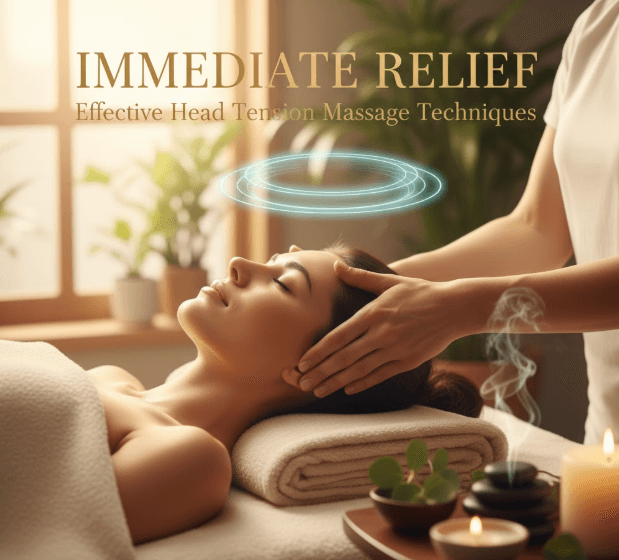
Discover simple, effective massage techniques designed to ease head tension fast. This guide walks you through practical steps, safe pressure tips, and signs that it may be time to get professional support—so you can feel better, sooner. Context and Promise Head tension can cloud focus, drain energy, and interfere with your daily routine. This article offers clear, actionable methods to release tight muscles, calm your nervous system, and restore comfort. Each technique is easy to follow and can be done at home in just a few minutes. Why Massage Helps Head Tension Tightness in the scalp, neck, jaw, and upper shoulders can trigger pressure around the temples or behind the eyes. Massage works by encouraging blood flow, reducing muscle stiffness, and stimulating endorphins—your body’s natural pain relievers. With consistent practice, these methods may help decrease the frequency and severity of tension headaches. Core Techniques and How to Use Them 1. Scalp & Temple Circles Use your fingertips to make slow, circular motions across your scalp and around your temples. Keep pressure light to moderate. These movements relax sensitive tissues and soothe stress-heavy areas. 2. Neck Base Release Place fingers at the base of your skull and apply steady, gentle pressure. Work downward along the neck muscles to loosen stiffness that often radiates upward into the head. 3. Shoulder Sweep Massage along the tops of your shoulders using your fingertips or palms. This encourages the release of knots linked to poor posture and long hours at a desk. 4. Jaw Relaxation Gently glide your fingers along the jawline, moving from the chin toward the ears. This reduces clenching and tension that can contribute to headaches. 5. Brow and Forehead Glide Use light strokes across the forehead, moving outward from the center. This calms muscles strained by screen time and eye fatigue. Safety and Best Practices Use clean hands and slow, controlled pressure. If a technique increases pain or triggers dizziness, reduce intensity or stop. Avoid massaging bruised, swollen, or recently injured areas. If head tension becomes severe, frequent, or is accompanied by concerning symptoms, consult a licensed clinician. Creating a Routine Dedicate 5–10 minutes each day. Begin with the scalp, transition to the neck and shoulders, then finish with the brow and forehead. Warm your hands before starting and consider adding a calming essential oil scent to enhance relaxation. Note any improvement over time to tailor the routine to your needs. When to Seek Professional Help If headaches persist for more than two weeks, worsen, or disrupt daily function, a massage therapist or medical professional can provide targeted treatment and rule out underlying causes. Quick Start Checklist Wash and warm your hands Begin with circular scalp motions Work down the neck and across the shoulders Relax the jaw and brow with light strokes Adjust pressure based on comfort

Smart Interior Ideas to Make Your Studio Apartment Look Bigger in 2025
Introduction Studio apartments are small, but with the right interior design, they can look bigger, brighter, and more comfortable. In 2025, smart and minimal interior styles are very popular because they save space and make small homes feel modern. Here are 5 simple interior ideas that will instantly make your studio apartment look more spacious. {{ RELATED_SEARCH } 1. Use Light Colors on Walls and Furniture Light colours, such as white, cream, beige, and soft grey, make a room feel open and airy. They reflect more natural light, making your studio look bigger. Simple Tips: Paint walls with light shades Choose light-colored curtains Use white or pastel furniture Light colors make the room feel clean, fresh, and peaceful. 2. Add Mirrors to Reflect More Space Mirrors are one of the smartest ways to increase the visual size of a small studio. They reflect light and create the illusion of a bigger room. You can add mirrors: Behind the sofa Near the bed On wardrobe doors As a decorative wall piece Mirrors make your studio look stylish and wide. 3. Choose Multi-Purpose Furniture In a studio apartment, every item should save space. Multi-use furniture helps you stay comfortable without crowding the room. Best multi-purpose furniture for 2025: Sofa cum bed Foldable dining table Wall-mounted study table Storage ottoman Bed with drawers These items reduce clutter and make your home neat and functional. 4. Use Vertical Storage Instead of Horizontal Small apartments need smart storage. Instead of using wide cabinets, use tall shelves to store things. Vertical storage includes: Wall shelves Tall book racks High kitchen cabinets Hanging organizers This keeps the floor clean and open, making the room look larger. 5. Keep the Decor Minimal Too many things make a small space look crowded. Minimal decor helps your studio stay clean and spacious. Follow these simple rules: Keep only important items Avoid heavy or dark furniture Use 2–3 decorative pieces, not 10 Leave some empty space for a fresh look Minimal design is modern, simple, and perfect for studio apartments. Conclusion Studio apartments can look bright and spacious with the right interior ideas. Using light colors, mirrors, multi-use furniture, vertical storage, and minimal decor can transform even a small space into a stylish and comfortable home. These smart interior ideas are affordable and perfect for 2025 living.

Article Test - Winter Campus Insights
Winter camps often focus on outdoor adventure , skill development (physical, social, creative, and academic), and holiday cheer . The associated text typically evokes feelings of cozy fun, active exploration, and personal growth in a festive, snowy environment. Keywords and Terminology Atmosphere/Setting: Winter wonderland, snowy landscapes, alpine heights, frosty fun, cozy nights, campfire stories, pristine environment, snow bliss, frozen magic. Activities: Skiing, snowboarding, sledding, snowshoeing, ice skating, snow games (snowball fights, building snowmen/forts), hiking, team-building activities (obstacle courses, scavenger hunts), arts and crafts (ornament making, painting), science experiments, cooking/baking, storytelling, talent shows, bonfires.